How to prevent bruising: 12 everyday habits for thin skin
 By Margaret Hale, Reunoa EditorialLast updated
The short answer
You can't stop skin from aging, but you can prevent many bruises. Moisturise forearms and hands twice daily, protect your arms with light sleeves, pad sharp furniture edges, improve lighting, protect skin from the sun and ask your doctor or pharmacist to review medicines and supplements that increase bleeding. Never stop a prescribed blood thinner.
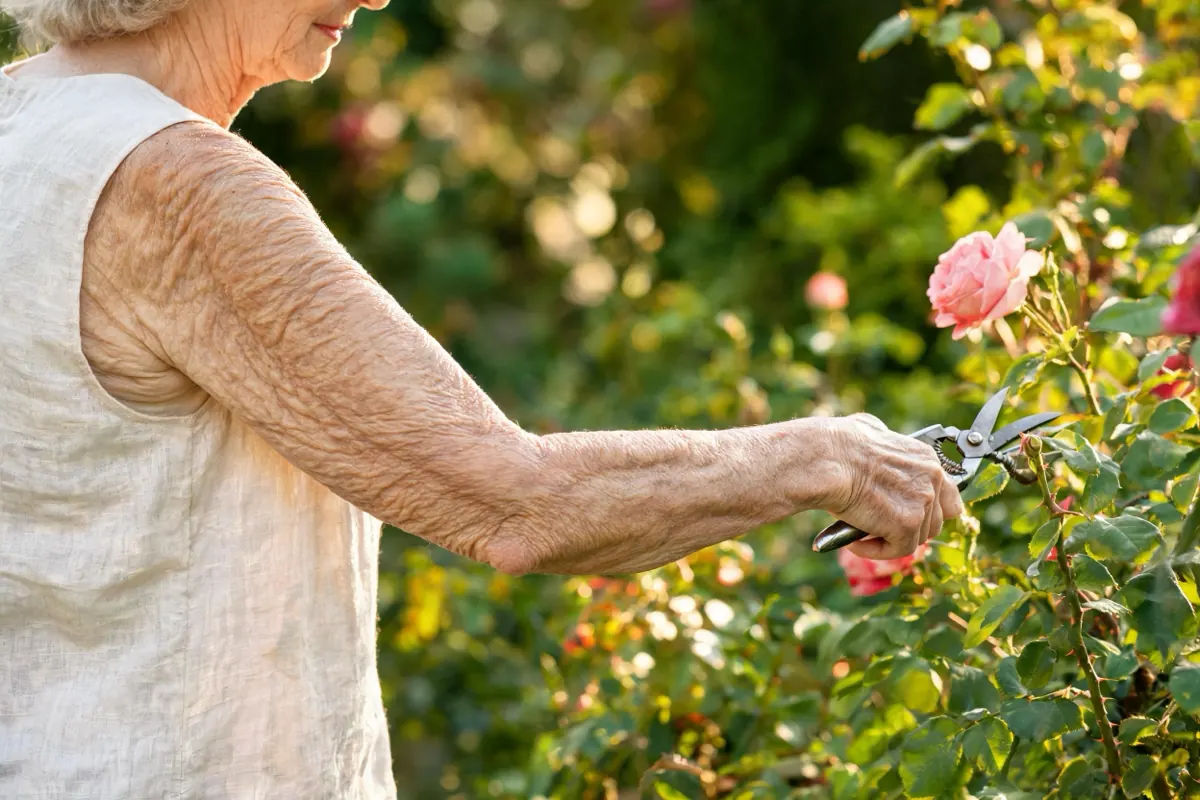
Most bruises after 60 come from everyday contact, not big accidents: a cupboard door, a car door frame, a dog's paw, a grab rail. Small changes add up. Here are 12 habits, from easiest to most involved.
Skin care habits
1. Moisturise twice a day
The single best-evidence habit. In aged-care homes, a twice-daily moisturising routine almost halved the rate of skin tears compared with usual care [1]. Supple skin bends instead of splitting. Apply to forearms, hands and shins morning and night.
2. Take shorter, lukewarm showers
Hot water strips natural oils from older skin, which already produces less oil [2]. Dermatologists recommend short, warm (not hot) showers and moisturising right after patting dry [5].
3. Protect your skin from the sun
UV light breaks down the collagen that supports small vessels [4]. Use broad-spectrum SPF 30+ on forearms and hands when outdoors [3] and wear light sleeves in strong sun.
4. Use bruise-focused skincare
Daily products with arnica, vitamin K and ceramides are designed to support fragile skin. See best bruise creams of 2027.
Clothing and protection
5. Wear light long sleeves for risky jobs
Gardening, carrying firewood, moving furniture, handling pets: a light long-sleeved shirt is the cheapest bruise protection there is. Some people use soft protective arm sleeves.
6. Choose gloves for gardening and housework
The backs of the hands have almost no padding. Gardening gloves stop scrapes from thorns, branches and tools.
7. Trim pets' nails and teach "gentle"
A dog jumping up or a cat kneading is a classic cause of forearm bruises and skin tears on thin skin.
Home set-up
8. Pad the edges
Fit corner guards on sharp furniture at hip and arm height, especially coffee tables, bed frames and kitchen counters.
9. Light the way
Night lights between bedroom and bathroom, and bright light in hallways, reduce knocks and falls.
10. Clear the walkways
Move clutter, cords and low furniture out of the routes you use most. Keep often-used items between waist and shoulder height so you're not reaching or bending into cupboard doors.
Health habits
11. Review medicines and supplements
Ask your doctor or pharmacist to look at everything you take. Fish oil, vitamin E, ginkgo, garlic tablets, turmeric and pain relievers such as ibuprofen can add to bruising. Don't stop a prescribed blood thinner or aspirin — but do ask whether every extra is still needed.
12. Eat for your skin
Vitamin C is needed to make collagen, and very low intake causes easy bruising. A varied diet with fruit, vegetables and enough protein supports skin repair.
Frequently asked questions
How can I stop bruising so easily?
Moisturise forearms and hands twice a day, protect your arms with light sleeves and gloves, pad furniture edges, use sunscreen and ask your doctor or pharmacist to review medicines and supplements that increase bleeding. Never stop a prescribed blood thinner yourself.
What vitamins prevent bruising?
Vitamin C is needed for collagen, and vitamin K for normal clotting. A deficiency in either can cause easy bruising. Most people get enough from a varied diet; ask your doctor before starting supplements, especially if you take warfarin.
Do arm sleeves help prevent bruising?
Yes. Light long sleeves or soft protective arm sleeves cushion minor knocks and friction that cause many bruises and skin tears on thin forearms. They're especially useful for gardening and caring for pets.
Can you prevent senile purpura?
You can reduce new patches by protecting forearms from sun and knocks, moisturising twice daily and using barrier-supporting skincare. The underlying skin thinning can't be fully reversed. See our senile purpura guide.
Sources
- Carville K, et al. The effectiveness of a twice-daily skin-moisturising regimen for reducing the incidence of skin tears. International Wound Journal, 2014. PubMed 25040325
- Aging changes in skin — MedlinePlus Medical Encyclopedia.
- How to select a sunscreen — American Academy of Dermatology.
- Rittié L, Fisher GJ Natural and sun-induced aging of human skin. Cold Spring Harbor Perspectives in Medicine, 2015. PubMed 25561721
- Dermatologists' top tips for relieving dry skin — American Academy of Dermatology.
- Bleeding into the skin — MedlinePlus Medical Encyclopedia (U.S. National Library of Medicine).
General information, not medical advice. Written by the Reunoa editorial team; Reunoa makes Bruise Defense & Repair Serum. See our editorial policy for how we pick sources and keep product mentions fair.